
Project record / Layout 03
Arogya
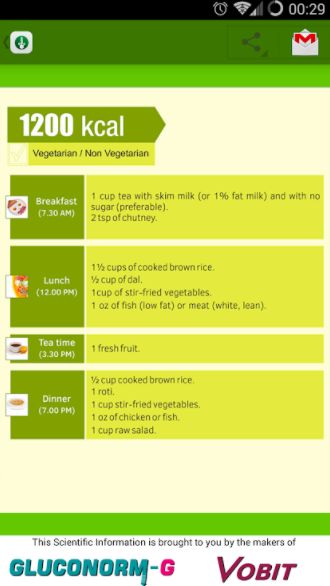
Arogya is a medical knowledge mobile app combining calculators, guidelines, diet charts, product information, a dictionary, drug references, and insulin-injection guidance.
- Client
- Lupin
- Field
- Medical knowledge
- Focus
- medical knowledge app development
01 / Context
The product and the work around it.
Arogya is a medical knowledge mobile app combining calculators, guidelines, diet charts, product information, a dictionary, drug references, and insulin-injection guidance.
The need
Specialist reference tasks were spread across different content formats. The product brought calculation, lookup, guidance, and product information into a single mobile knowledge system.
Who it served
Healthcare users who need structured medical reference material in a mobile format.
02 / Workflow
How the product moved the work.
The core path described by the retained project record.
- 01
Choose a reference task
The user enters through calculators, guidelines, diet charts, dictionary, or drug information.
- 02
Review structured knowledge
The app presents the selected reference material in a mobile format.
- 03
Move across related tools
Users can continue from a lookup into other medical resources within the same product.
03 / Delivery
What Outworld delivered.
A broad medical reference product depends on information architecture. Calculators, dictionaries, interaction data, and technique guidance need clear separation while remaining part of one recognizable knowledge system.
- 01Mobile app development
- 02Medical calculators and guidelines
- 03Drug and diet references
- 04Analytics infrastructure
Constraints, decisions, and what changed.
Medical reference has two audiences at once: a specialist who needs the right answer quickly, and a reviewer who needs to know where the answer came from. Content changes, and a stale version is a safety problem rather than a typo. The device mix in the field is not the device mix in the studio. A specialist judges the product on two things: whether the answer is current, and whether the interface wastes their attention.
- 01Content with an owner
Each entry carries an owner, a version, and an approval state, so the app can show what it is showing and when it changed.
- 02Search before navigation
The primary path is a query, not a menu tree, because the product is used mid-conversation rather than browsed.
- 03Reference, not diagnosis
The interface states what it is and what it is not, which keeps the product inside the claim the record can support.
- 04Offline tolerance
Reference content is cached for reading between network drops, because a field representative cannot wait for a spinner in front of a clinician.
- 05Content model before screens
Entries, versions, and approvals were modelled first, so new content types did not turn into code changes.
What changed
Lupin received a medical reference product where an answer could be found quickly and traced back to an approved version of the content, rather than a static library that ages without notice. The constraint that shaped it was trust: a faster answer is worthless if nobody can say which version of the content produced it, so the version is part of the interface rather than a footnote in a content-management tool. Content owners can publish an approved update without waiting for an app release. Reference is the constraint, so the interface states what it is and what it is not.
What the portfolio verifies.
The portfolio verifies mobile app development and analytics infrastructure, plus the listed knowledge modules. It does not state delivery dates, data sources, clinical review, technology, or usage outcomes.
This historical project is evidence of shipped product work. It is not presented as proof of Outworld’s current AI-agent delivery unless the record explicitly supports that claim.
How this work is sold now.
This is a historical project record. The service that covers this kind of work today is linked below, with the scope and prices published on it.
Have a system like this one? Skip the brief and pick a slot.
Book a 30-minute call04 / Related
More systems built around real work.
Continue through projects with a related user, workflow, or delivery surface.
Building something with similar complexity?
Bring us the workflow, the existing product, or the part no one wants to own.
Start a project Book a 30-minute call